

NEW YORK, Oct 19 (NYCDV): For-Hire Vehicle (FHV) drivers using Empower in New York City may face financial risks over time, including monetary tax liabilities, a ride-hailing executive said, raising concerns about the company’s business model.
“I appreciate this kind of disruption in the legacy ride-hailing market, but Empower’s business practice of delegating the liability and risk to participants is one of my concerns,” Kay Woo, Chief Executive Officer (CEO) of TADA, told NYC Drivers’ Voice in an exclusive interview.
Founded in 2020, Yazam Inc., the company behind Empower, says its app is available in metropolitan areas across New York, the Washington, D.C. (Maryland and Virginia region), Georgia, Florida, Ohio, Texas and North Carolina.
Empower, flagged as an illegal ride-hailing operator, does not receive any of the amounts paid by riders. Drivers using Empower platform get 100% of the fare, and in turn pay Empower a subscription fee.
In March 2026, the City of New York filed a lawsuit seeking permanent operating ban against Empower for operating businesses without license. Taxi and Limousine Commission (TLC) warns that the app operates entirely without required base licenses.
TADA, a Singapore-based zero-commission ride-hailing platform, launched its Throo app in New York City on July 1, 2026. TADA has now about 56,000 driver sign-ups.
Kay Woo said drivers may see higher short-term earnings through the app but should consider the potential liabilities associated with the income. He said drivers who have not received tickets or been caught in enforcement operations should still understand that they may face financial obligations. “This is the thing every driver should know.”
“I had no objection to Empower but was concerned that its legal status could put the drivers who rely on the work at risk of summons and losing their licenses,” said the Korean tech executive.
Talking to NYC Drivers’ Voice, Shaheen Hossain, an Uber driver, said he deleted Empower from his phone after learning that TLC enforcement agents were posing as passengers to identify drivers using the app. Hossain, however, questioned why drivers face enforcement while Empower continues to operate in New York and other states.
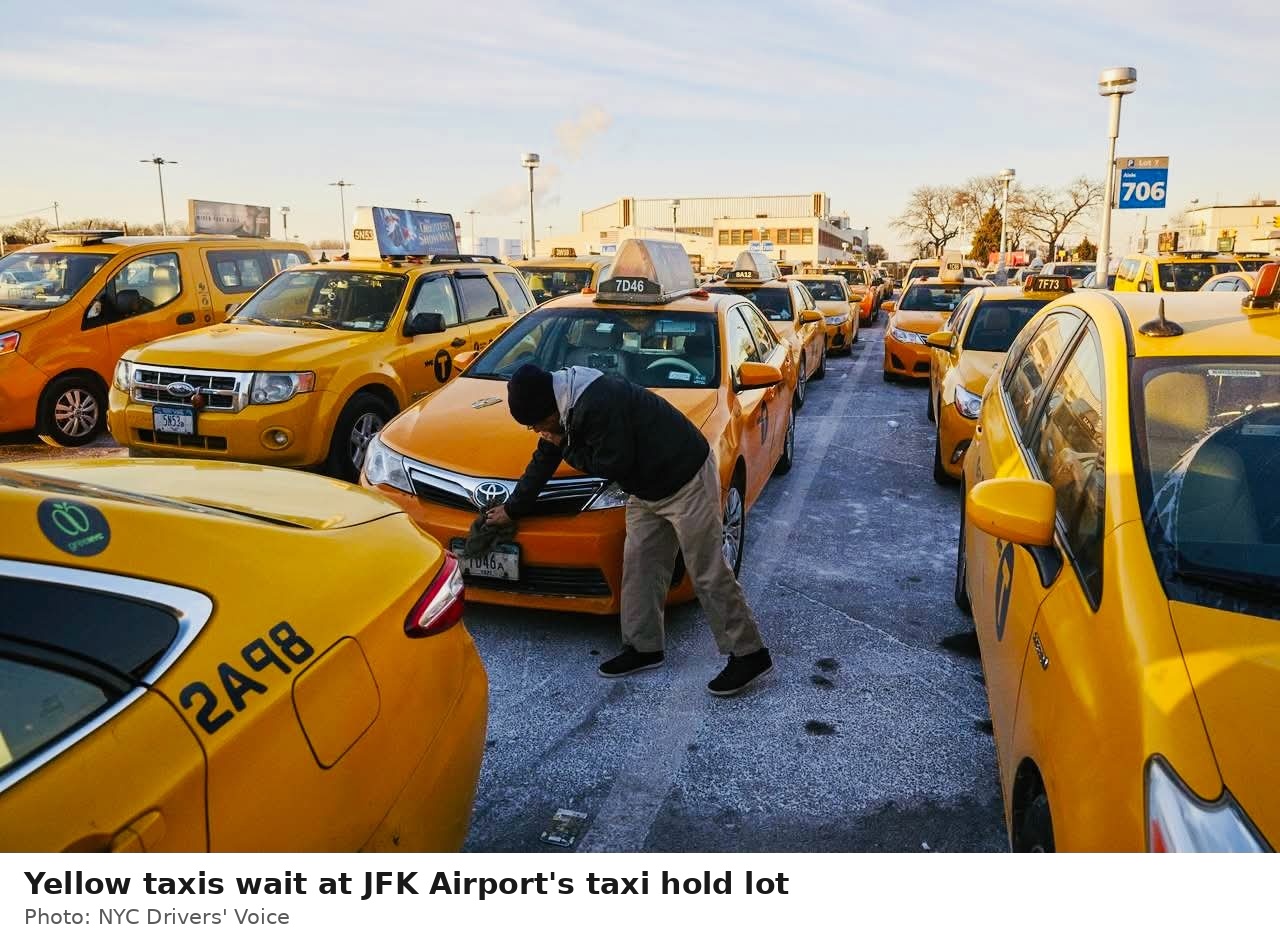
Kazi Amir Hossain, another app-based driver, said newly licensed TLC drivers may be especially vulnerable to enforcement related to Empower. He said he would not use the app because it could put his license at risk. Hossain added that drivers at the JFK parking lot had heard reports of plainclothes TLC enforcement agents posing as passengers to identify drivers accepting Empower rides.
When contacted, Acting Press Secretary of Taxi and Limousine Commission (TLC), James Parziale, said Empower is an unlicensed operator in New York City, and the agency is warning for-hire drivers about accepting trips through Empower because both the drivers and passengers could face safety, insurance, and regulatory risks.
“TLC is actively enforcing against Empower and other unlicensed operators. Rogue actors who put passengers and drivers in danger will not be tolerated.” James told NYC Drivers’ Voice.
Under this administration, corporate accountability is a priority, James said, adding that the agency has issued 179 summonses to drivers, vehicle owners and Empower since March 1, 2026, as part of the enforcement operations targeting the company. “Empower also owes New York City more than $63,000 in fines,” he said.
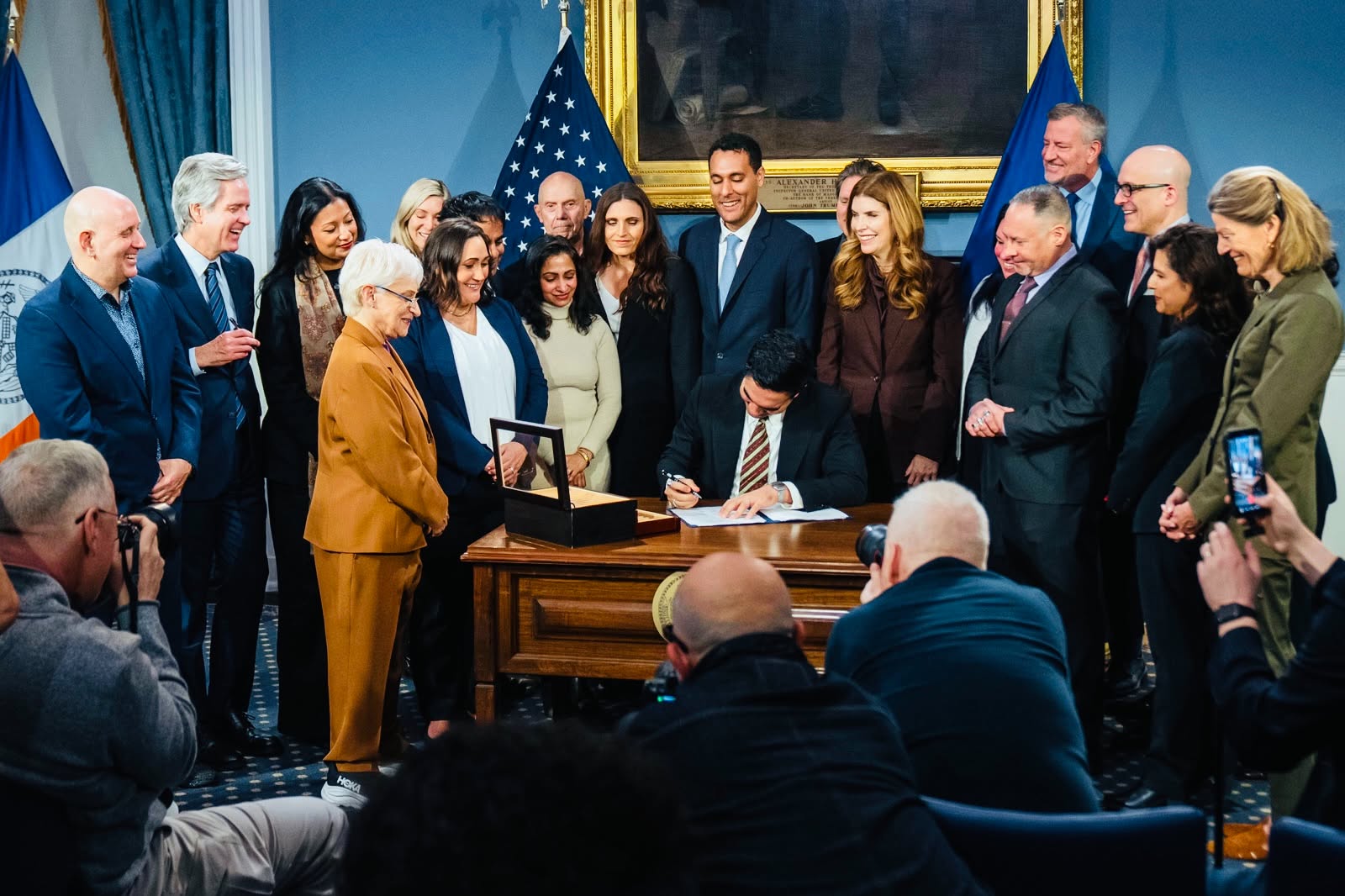
On August 21, 2026, Abreu, chair of the Council’s Transportation Committee, asked Apple to remove Empower from the App Store, saying the company operates in New York City without a valid TLC license.
Councilmember Shaun Abreu previously told reporters that Empower is failing to collect legally required fees and taxes on each trip.
As of this writing, the rider app remains available on Apple’s App Store.
TLC sources said passengers using an unlicensed service may face insurance problems after a crash. Drivers could face fines up to $500 or risk of losing their TLC license, while vehicle owners could be fined up to $10,000.
The agency also cautions that drivers injured during, or while traveling to, a trip dispatched by an unlicensed app may not receive workers’ compensation and could risk losing their vehicle insurance, the sources added.
More than 120,000 vehicles are licensed by TLC, including about 83,000 affiliated with high- volume for-hire services such as Uber and Lyft.
Kamal Ahmed holds a master’s degree in Economics and an associate degree in Health Sciences in the United States. He has more than a decade of experience in the for-hire vehicle (FHV) industry and has worked with the American Transit Insurance Company (ATIC), currently serving as a consultant to both sectors. He is the Chief Editor of NYC Drivers’ Voice. Previously, he worked for daily newspapers and the national news agency of Bangladesh. He also served as a stringer for Reuters, Agence France-Presse (AFP), Press Trust of India (PTI), and the Xinhua News Agency.
3 Responses
Por qué siempre todo a los drivers y no a Empower. Es más fácil irse a los más débiles
Gracias por compartir su opinión. El artículo busca informar a los conductores sobre los posibles riesgos y examinar la responsabilidad de todas las partes involucradas, incluida Empower. La protección de los conductores es una parte importante de esta conversación.
For a $20 trip, I pay only $7 if I ride with Empower, but the same trip costs $20 for Uber. As a passenger, I save money, while the drivers also get a good amount of commission. So, it’s a win-win. That’s why sign-ups for Empower have been flooded both at riders and ride-hailing app sides””’ does it make sense?