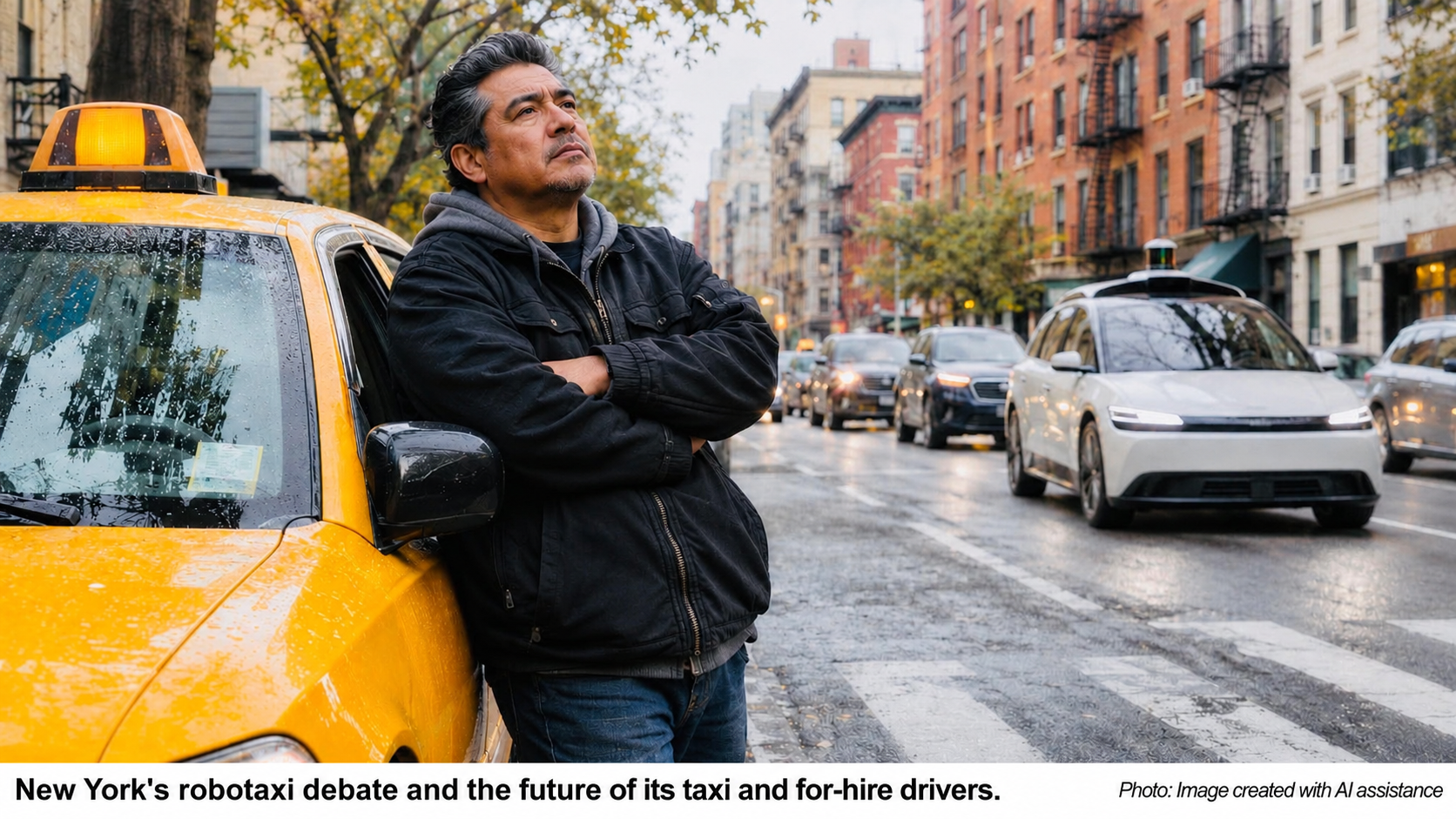
NEW YORK, Nov 27 (NYCDV): New York City’s robotaxi debate is moving beyond whether autonomous vehicles (AVs) can navigate its streets. The decisions ahead could determine who is allowed to operate automated for-hire vehicles, who owns them, and whether today’s taxi and for- hire vehicle drivers have a role in the new market.
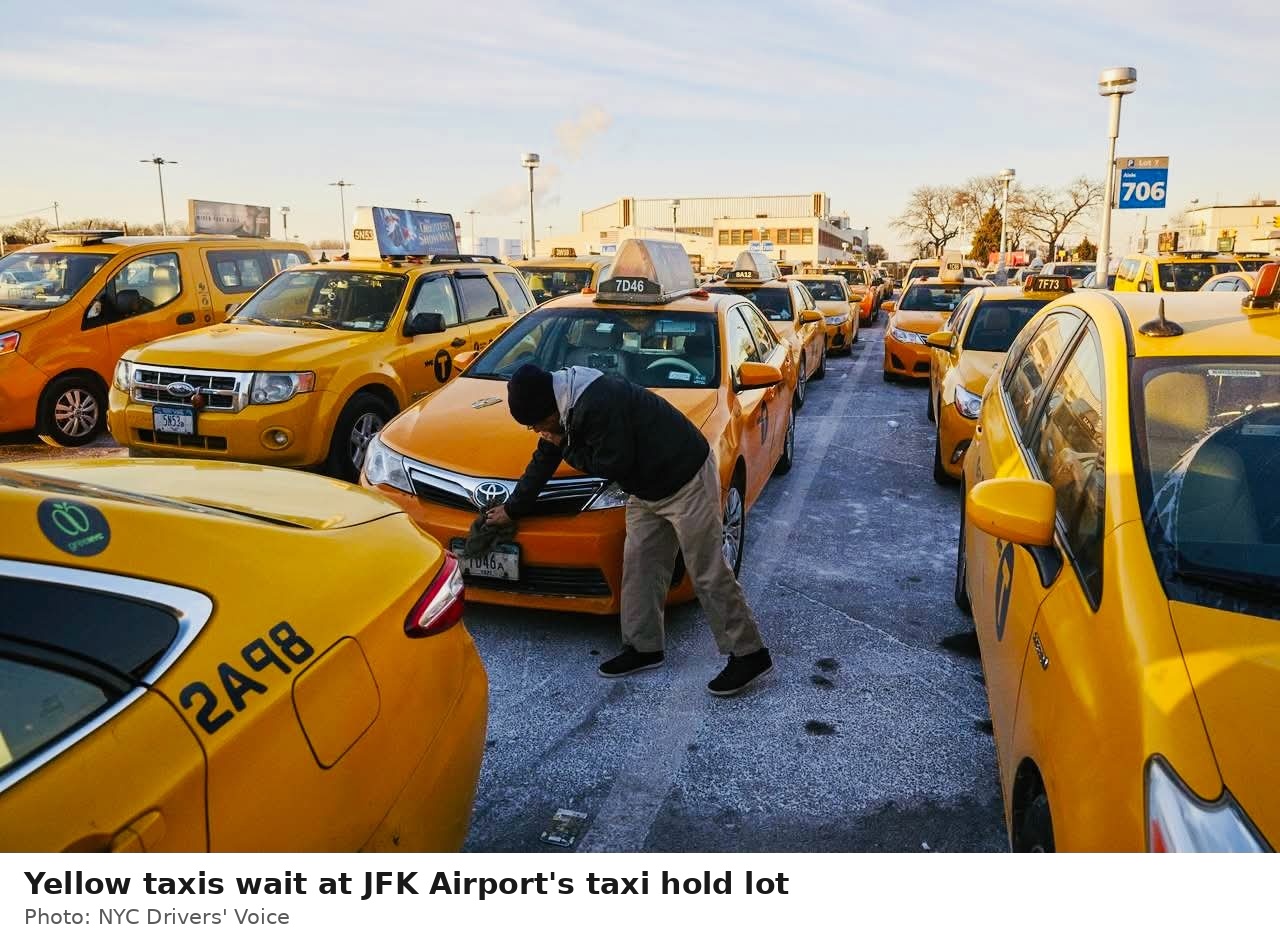
New York City’s taxi and for-hire vehicle industry is a major part of its transportation network. The Taxi and Limousine Commission (TLC) licenses approximately 180,000 drivers, who collectively complete 1 million trips each day.
For now, testing in New York requires a licensed operator in the driver’s seat, ready to take control. Companies also need permits from the New York State Department of Motor Vehicles (DMV) and NYC Department of Transportation (NYCDOT). Any use of autonomous vehicles for for-hire service must comply with the TLC rules, including licensing requirements.
Those rules govern testing. The larger policy question is what happens if New York eventually permits commercial robotaxi service: will it be limited to technology companies and large platforms, or will drivers and existing transportation businesses be able to participate?
The debate includes sharply different views about safety. Former TLC Commissioner David Yassky has argued that autonomous vehicles could reduce crashes caused by preventable human errors. Besides, former FDNY Commissioner Salvatore Cassano has warned that driverless vehicles could create serious problems during emergencies.
Federal regulators have also raised concerns. On July 8, the National Highway Traffic Safety Administration (NHTSA) called on autonomous-vehicle developers to address vehicles interfering with first responders, including blocking emergency routes and failing to respond to emergency scenes.
These concerns matter in New York, where first responders, drivers, cyclists and pedestrians share busy streets. Any future policy will need to address how automated vehicles respond to emergency personnel, street closures and other unpredictable conditions—not only how they perform during routine trips.
For drivers, the debate is also about income and job security.
Lyft driver Nadirul Topu said drivers need to prepare for technological change but warned that robotaxi expansion could threaten work across the for-hire and yellow-cab sectors. He supports education about autonomous-vehicle technology so drivers can prepare for changes in the industry.
Uber driver Alamgir Kabir questioned how robotaxis would manage Manhattan traffic, construction and event-related street closures, especially when passengers need to be picked up or dropped off.
App-based driver Marul Rana said the technology should be tested under practical conditions before it is introduced more widely in New York City. “Small-scale autonomous vehicles could be deployed in the city just to attract tourists, but it could never be sustainable for NYC’s future auto industry,” said Rana, a former yellow cab driver.
Other drivers described the financial pressure they already face. Md. Hasan said long hours are not always enough to support a family as living costs rise.
Ahmed Rasel and Worku Beyi echoed the same, raising concerns about family responsibilities, mortgages, and the strain large companies can place on independent drivers.
Uber driver Nizam Uddin said drivers often live paycheck to paycheck and face commissions and penalties that add to that pressure. He fears autonomous vehicles could become “the final nail in the coffin” for New York’s taxi and for-hire industry.
Veteran Uber driver Shaheen Hossain said he fears robotaxis could threaten drivers’ livelihoods. “We don’t drive for a fancy lifestyle; we work hard to support our families,” he said.
Brendan Sexton, President of the Independent Drivers Guild (IDG), which represents the city’s more than 80,000 for-hire vehicle drivers, said autonomous vehicles should be evaluated against trained, licensed, and regulated professional drivers.
He acknowledged that automation may reduce some risks, such as impaired or distracted driving, while calling for enforceable worker protection, meaningful driver participation and strong safety and security standards.
Sexton said IDG would oppose rules that eliminate drivers’ jobs without a concrete transition plan. “If the government just showed the workers could be a second thought, we have a real problem.” Luckily, entire labor movement is in agreement in New York that AV should not touch a road at all, he said, adding, “We gonna stand tall to fight against it when they come.”
Bhairavi Desai, Executive Director of the New York Taxi Workers Alliance (NYTWA), which represents 28,000 taxis and FHV drivers, has strongly condemned the entry of major autonomous vehicle companies into the NYC market, explicitly naming tech giants like Waymo.
Desai cited concerns about safety, accountability, and workers’ livelihoods.
In her recent testimonies before the city, she argued that drivers are being treated as “disposable” by regulatory bodies and multi-trillion-dollar corporations. She frames the rise of driverless AI robotaxis as an existential threat to workers who are already struggling under an intense cost-of- living and affordability.
Ralph Bisceglia, CEO of American Transit Insurance Company (ATIC), one of the largest commercial insurance carriers in New York State, said claims about AV safety should not distract us from seeking a fair transition for current drivers and a sustainable, inclusive framework going forward.
“When we take into consideration their high annual milage and they are for us regardless of poor driving conditions, the drivers’ good safety is evidence that they are responsible members of our community and should be recognized for their service records,” he said.
As discussions about robotaxis gain momentum, Bisceglia questioned whether drivers have a meaningful voice in the negotiations. “Who has a seat at the negotiating table? The drivers are not there.”
ATIC captain cautions policymakers about pushing drivers aside before understanding how AV safety and quality of service will hold up on a scale.
Some companies say autonomous vehicles could complement existing transportation and create new kinds of work.
In an email response to NYC Drivers’ Voice, Waymo spokesperson Ethan Teicher said the company sees its service as a complement to ride-hailing and public transit.
He pointed to jobs in fleet operations, testing, maintenance, charging and customer service, and said the company supports helping drivers build skills for opportunities in the sector.
Kay Woo, CEO of Singapore-based ride-hailing platform TADA, which operates the Throo app, said the key question is who will own and benefit from autonomous-vehicle technology.
Woo said drivers should have opportunities to train and potentially participate in ownership. He also said TADA is exploring a shared-shuttle model in Singapore.
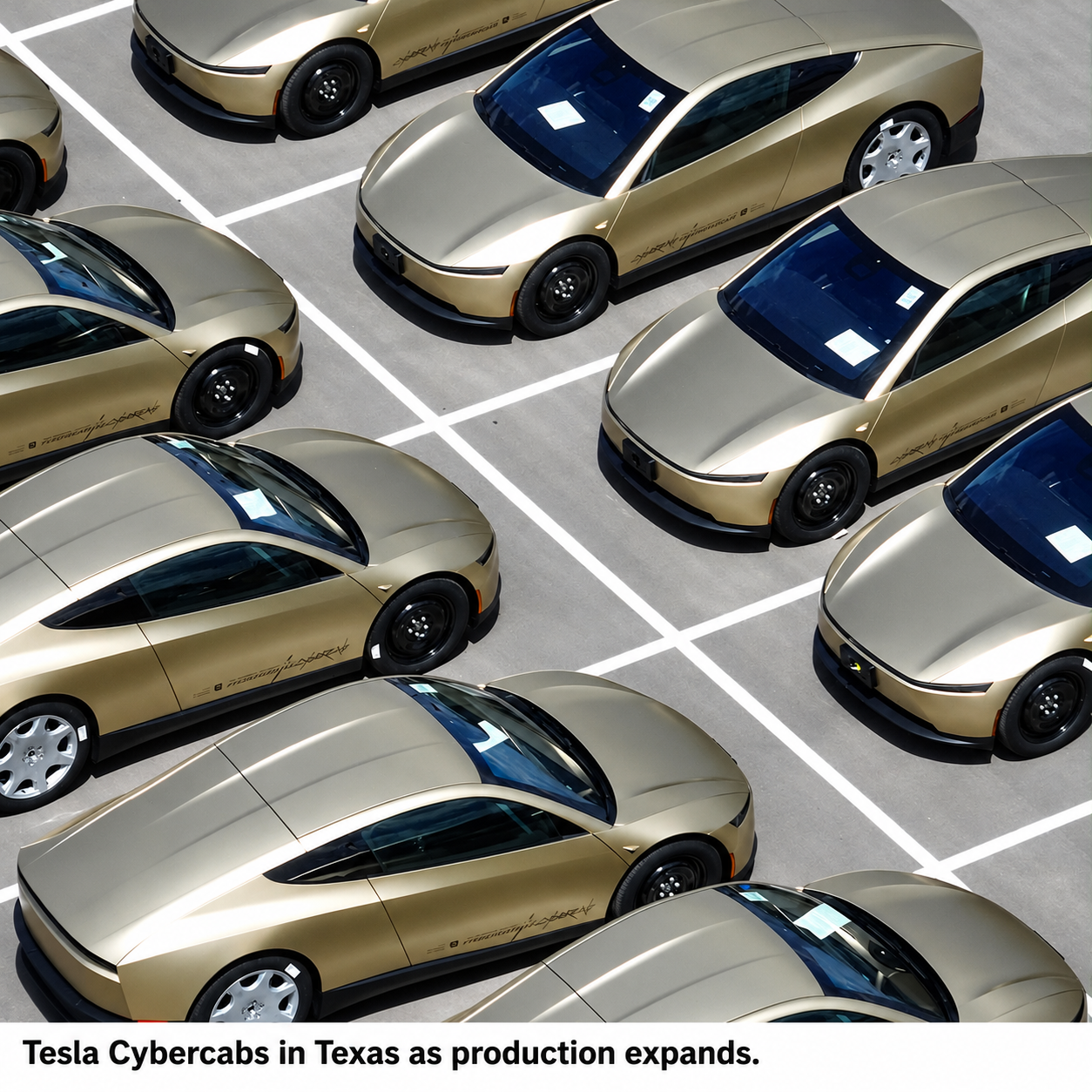
The push toward robotaxis is not limited to one company. On Nov. 6, Tesla CEO Elon Musk said the company planned to wind down Cybertruck production at its Texas factory around mid-2027 to make room for increased Cybercab production. The announcement renewed questions about how quickly companies are preparing for a driverless future.
New York’s choices will shape whether those futures concentrate control among a few companies or create pathways for current drivers to take part.
Policymakers will need to address who can obtain operating licenses, how safety and insurance responsibilities will work, and whether drivers can access training, new jobs, partnerships, or ownership opportunities.
Autonomous technology may reshape how rides are provided, but the policies governing its deployment will help determine who benefits from the market it creates – and whether professional drivers have a meaningful role in the evolving mobility economy.
Kamal Ahmed holds a master’s degree in Economics and an associate degree in Health Sciences in the United States. He has more than a decade of experience in the for-hire vehicle (FHV) industry and has worked with the American Transit Insurance Company (ATIC), currently serving as a consultant to both sectors. He is the Chief Editor of NYC Drivers’ Voice. Previously, he worked for daily newspapers and the national news agency of Bangladesh. He also served as a stringer for Reuters, Agence France-Presse (AFP), Press Trust of India (PTI), and the Xinhua News Agency.