
NEW YORK, Nov 24 (NYCDV) – New York City taxi drivers are facing higher operating costs while average earnings remain below $50,000 a year before income taxes, according to a new report released by the Taxi and Limousine Commission (TLC) today.
The report, State of the New York City Taxi Industry, examines changes since the last taxi fare increase in December 2022. It finds that taxi drivers’ expenses rose about 16% between the end of 2022 and May 2026. Medallion owner-operators, taxi renters and high-volume for-hire vehicle renters each earned less than $50,000 annually on average after expenses and before taxes.
Some costs climbed faster than the overall increase. Yellow taxi owner-operators paid about 30% more to acquire a vehicle, while weekly lease costs for taxi renters rose 32%. The cost of insurance meeting TLC minimum coverage requirements increased 20%. The report also found that the median driver logged 23% fewer miles in 2026 than four years earlier.
The Medallion Relief Program has helped ease some of the burden, the report says. The typical owner-operator now pays about 20% less per year toward medallion loan service.
E-hail trips raise questions about pay transparency:
E-hail apps now dispatch nearly one-quarter of taxi trips, according to the report. Drivers told the TLC they cannot see how much of each fare high-volume for-hire vehicle companies retain.
The report compares a trip from John F. Kennedy International Airport to Times Square. A passenger pays a base fare of $70 in a yellow taxi and $95.75 in a high-volume for-hire vehicle. The taxi driver earns $70, while the for-hire driver earns $67.81, with the difference reflecting the company’s share, the report says.
The agency also surveyed taxi passengers, the first such survey in more than a decade. Fifty-six percent of respondents said they avoid hailing a yellow cab on the street because they are unsure how much the trip will cost. Passengers ranked convenience and ease of use second only to price when choosing between a taxi and an Uber or Lyft. More than half said they would like flat-rate trips to be available to more destinations.
TLC to study possible policy changes:
The report outlines policy options the TLC says it will evaluate in the coming years. They include reviewing taxi fares on a regular schedule, simplifying the fare structure, setting a pay standard for e-hail trips based on taximeter rates, expanding flat-rate fares, and requiring clearer disclosure of platform fees—or considering limits on those fees.
The agency will also examine possible relief from certain fines and fees, including the $200 late drug-test fine and penalties for missed vehicle inspections. The report presents these as options for consideration; it does not announce that the changes have been adopted.
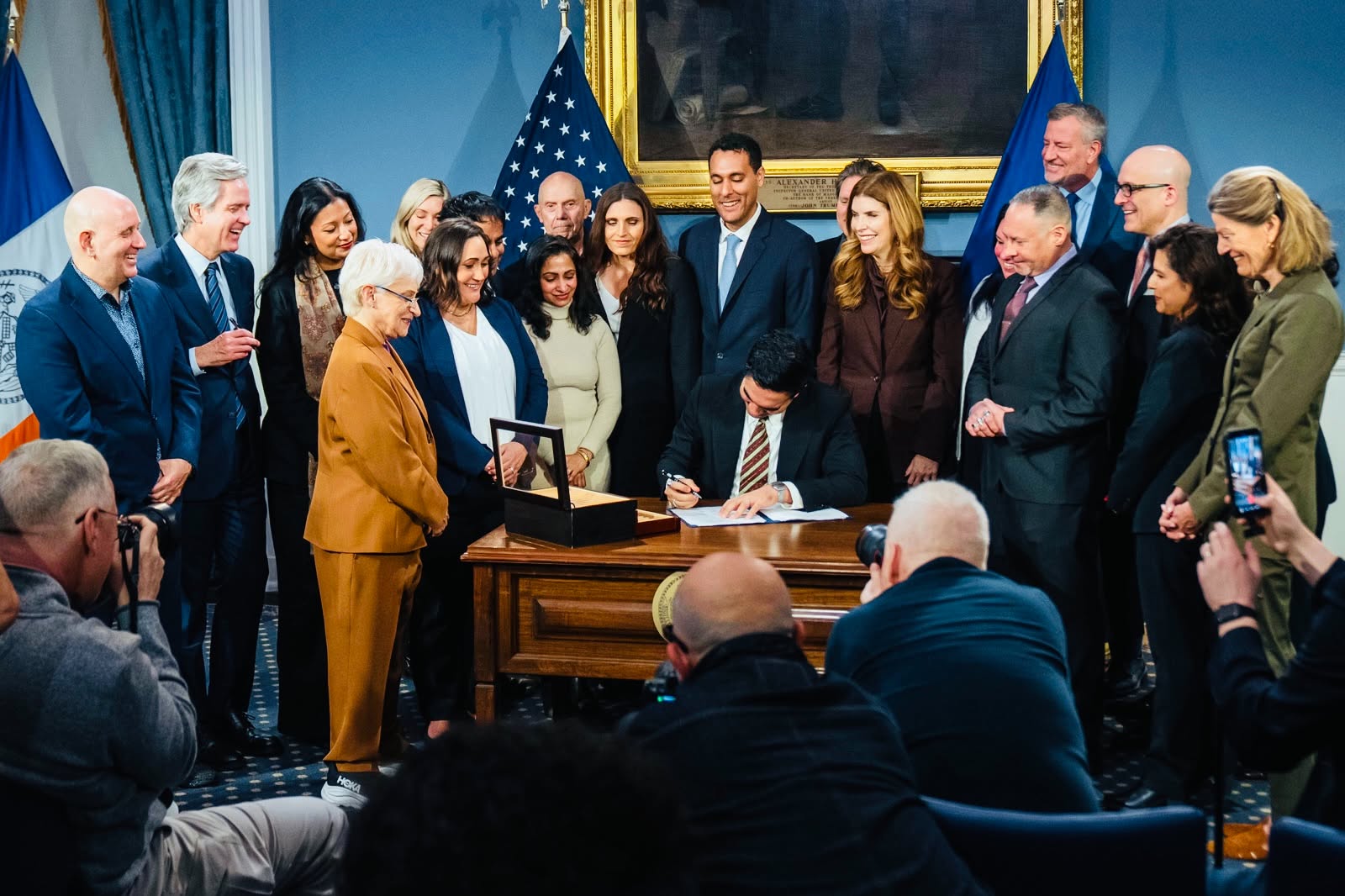
“Thousands of cab drivers get up before dawn and work long hours to keep this city moving,” Mayor Zohran Kwame Mamdani said in the release. He said the city would work to lower costs and secure fairer pay for drivers.
TLC Chair and Commissioner Midori Valdivia said the report would help the agency identify ways to improve the industry for drivers and passengers. “Our 180,000 professional drivers deserve to make a living behind the wheel,” she said.
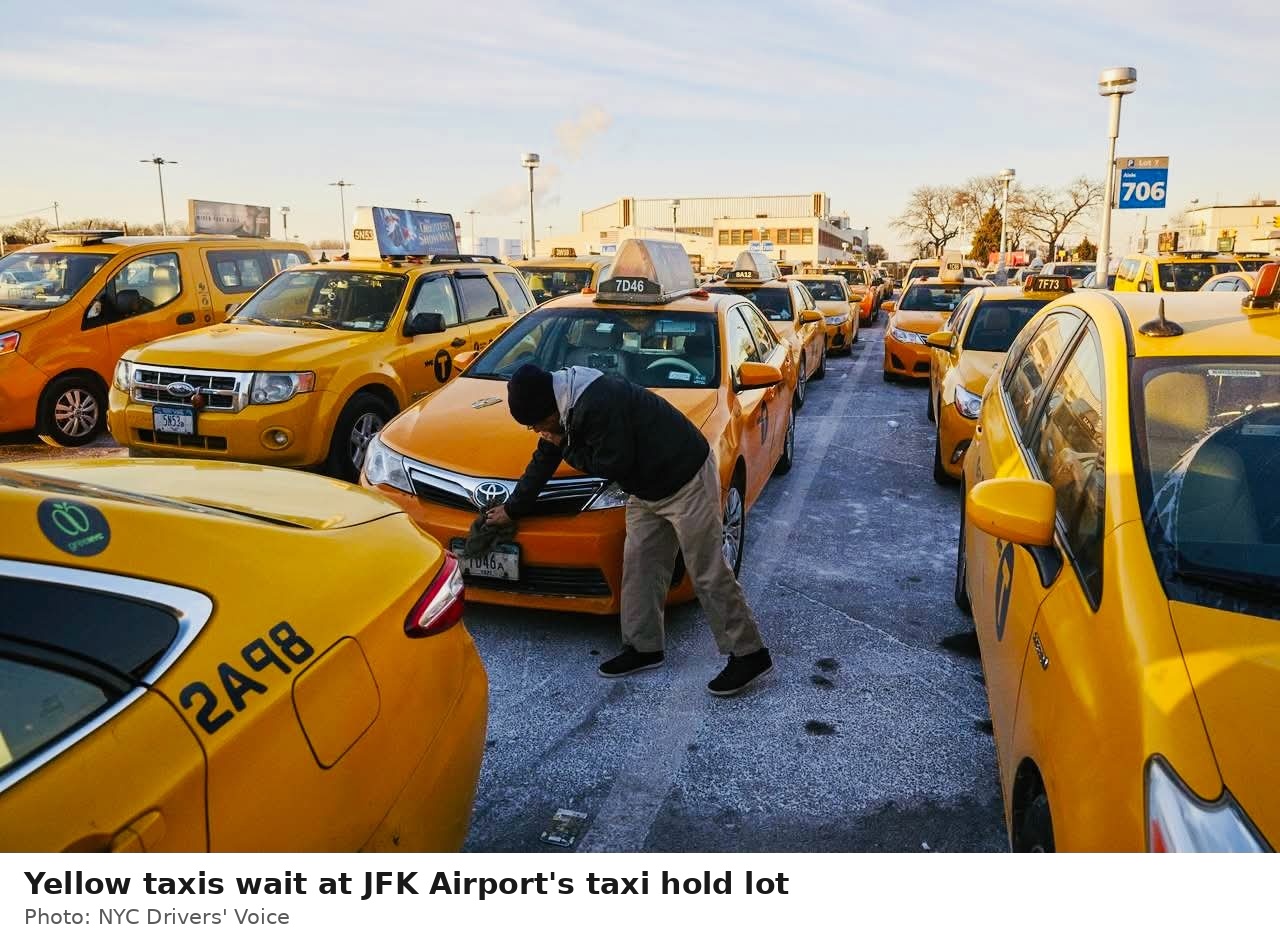
The report also points to recent TLC efforts, including the agency’s first Driver Health Hub at JFK Airport and changes to the Medallion Relief Program. The TLC says the program has forgiven more than $480 million in debt and recently expanded options for individual medallion owners to restructure ownership.
The findings lay out the financial pressures facing the taxi industry and a menu of possible responses. Whether the proposed changes will translate into lower costs or more predictable earnings will depend on the policies the city ultimately advances.
Kamal Ahmed holds a master’s degree in Economics and an associate degree in Health Sciences in the United States. He has more than a decade of experience in the for-hire vehicle (FHV) industry and has worked with the American Transit Insurance Company (ATIC), currently serving as a consultant to both sectors. He is the Chief Editor of NYC Drivers’ Voice. Previously, he worked for daily newspapers and the national news agency of Bangladesh. He also served as a stringer for Reuters, Agence France-Presse (AFP), Press Trust of India (PTI), and the Xinhua News Agency.