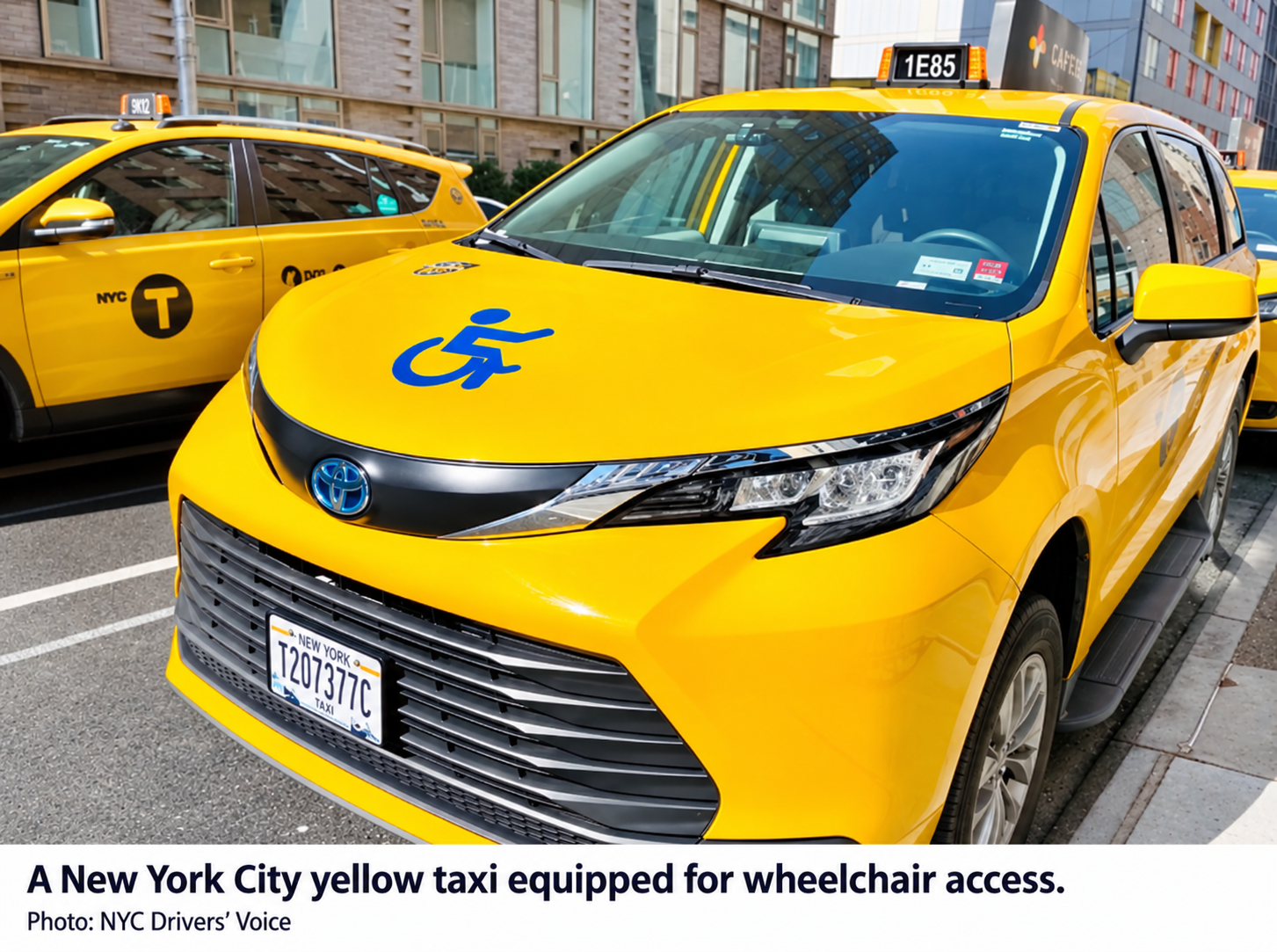


NEW YORK, July 8 (NYCDV) – Taxi and Limousine Commission (TLC), the agency responsible for licensing and regulating the city’s taxi and for-hire vehicles (FHV), has released the initial findings of the survey, depicting a comprehensive snapshot of how drivers view the agency, the industry, and the challenges they face on the road every day.
Launched at the JFK taxi and rideshare lots in April 2026, the first-ever survey dubbed ‘Driver Feedback Survey’ drew responses from nearly 4,000 licensed taxi and app-based drivers.
Over 200,000 TLC licensees complete approximately 1,000,000 trips each day in New York City.
The survey marks the beginning of a “listening-first” approach aimed at strengthening communication with licensees, shaping future policies and measuring changes in driver sentiment over time.
“We’re going to listen to the working people who keep this city moving before we make decisions that affect their families and their livelihoods. That’s what this survey is about,” said Mayor Zohran Mamdani.
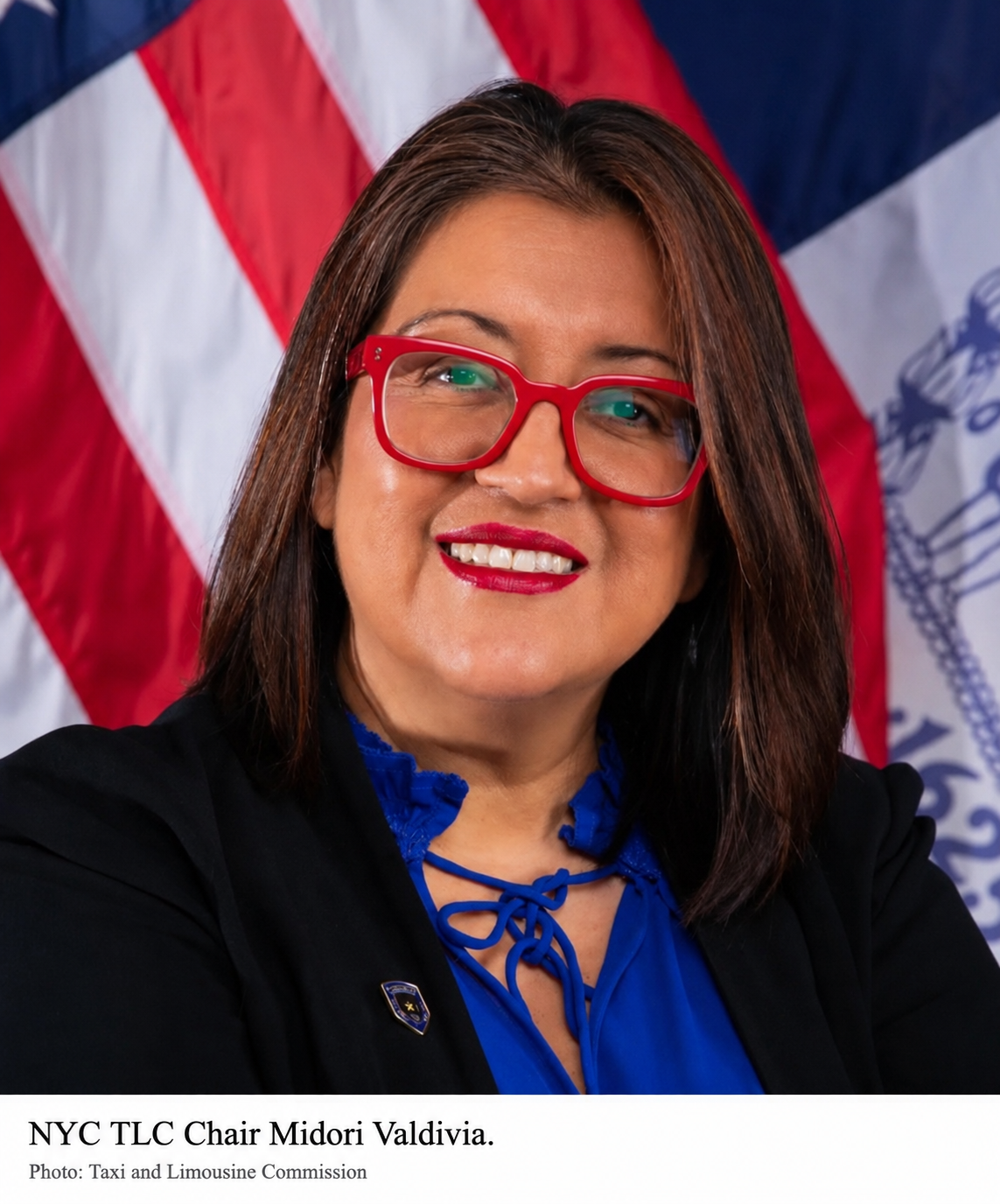
TLC Commissioner Midori Valdivia said, “I am thankful to lead an organization that listens to its drivers, and this survey will help shape TLC’s agenda moving forward.”
According to the commission, the survey findings will help guide how it interacts with drivers, prioritize agency initiatives and improve services. The survey will also be conducted periodically to monitor how drivers’ views evolve as the industry continues to change.
The survey, promoted through industry emails, social media, TLC facilities and in-person outreach events, said more than 1,400 respondents – approximately 36 percent – completed the questionnaire in a language other than English, highlighting the multilingual nature of the industry.
It reveals that overall satisfaction with the agency remains mixed. Half of respondents expressed satisfaction with the TLC, while about one-third reported dissatisfaction and one-fifth remained neutral. Similarly, many drivers believe the agency’s relationship with licensees has either improved or remained stable since they became licensed, suggesting progress in recent years while also indicating that significant room for improvement remains.
The survey also found that nearly 70 percent of respondents believe TLC licensing, inspection and renewal requirements are relatively easy to complete, reflecting improvements in administrative services.
While drivers acknowledged improvements in several areas, the survey revealed lingering concerns about fairness.
Opinions were closely divided over whether TLC rules and policies are fair to drivers and whether fines are imposed only when necessary to ensure safe and reliable service. These findings suggest that many drivers continue to question certain regulatory and enforcement practices, even as overall communication with the agency has improved.
One of the survey’s most notable findings involves drivers’ experiences with private industry businesses. Many respondents indicated they do not feel they are treated fairly by app-based companies, bases, and fleet operators. The findings point to growing dissatisfaction with the business side of the industry, where drivers often face issues beyond the TLC’s direct regulatory authority.
The survey also shows that drivers are looking to the commission to play a stronger role in protecting their interests when dealing with private companies.
Economic issues emerged as the dominant theme throughout the survey. Many drivers expressed frustration over declining income, rising insurance premiums, increasing vehicle expenses, and commission structures charged by ride-hailing platforms.
Several respondents also called for policies that would improve driver dignity, reduce financial pressure, and ensure that professional drivers receive fair compensation for their work.
Many respondents urged the TLC to increase enforcement against unauthorized operators, arguing that illegal competition undermines licensed drivers who invest significant time and money to comply with the city’s regulations.